Category Archive: Transportation
-
Fairbanks Feature: A New Train of Thought – Correspondence (to and from) Frank Fairbanks, Jr.: 1950 – 2005
James D. Van Trump Library | Frank B. Fairbanks Transportation Archive | Fairbanks Features
Showcasing a variety of materials located in the Frank B. Fairbanks Rail Transportation Archive
No. 4 Presentation
Correspondence (to and from) Frank Fairbanks, Jr.: 1950 – 2005
Frank Fairbanks corresponded with a wide variety of people. All were railroad enthusiasts, and many of them were only known to him through the correspondence they exchanged over the years. Frank corresponded extensively with several men over many years. Some of the individuals with a large volume of letters are: R. C. Carpenter, John H. Emery, Rick Moser, and Everett L. Thompson. In many cases, there are just a few letters from the same individual. It is truly a mixed bag of reading.
All the letters found in his donated collection are related to railroad matters. Frank wrote some letters to railroad management personnel or railroad-related businesses, calling for corrections to errors he noticed in books and catalogs. Most of the mistakes he found would have gone undetected except by someone with his engineering mind. He enjoyed arguing in print with other railroaders about feet and inches in mileage distances. Very seldom did he need to change his original thoughts.
The pages are full of charts, timetables, and opinions from both sides. The early years have the fewest letters. The last letter found in the donated boxes is dated March 28, 2005, two days before Frank died. It is an ordinary e-mail note––Frank was as current as it was possible to be.
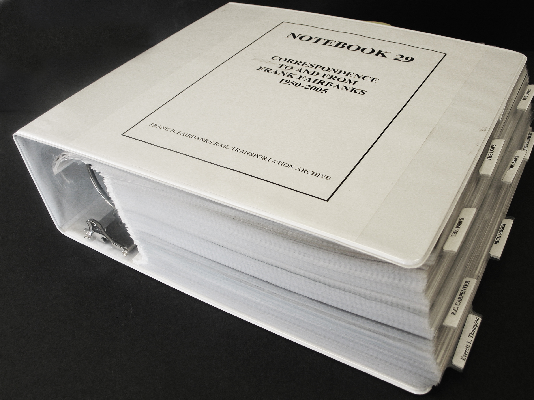
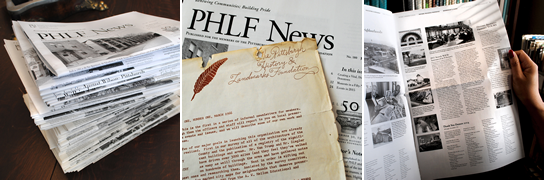
Although Frank did not keep his correspondence in any particular order, the librarian of the Fairbanks collection has organized his correspondence so patrons can read about a certain time period or follow the correspondence of a certain person. The notebook of correspondence and four individual letters are shown here.
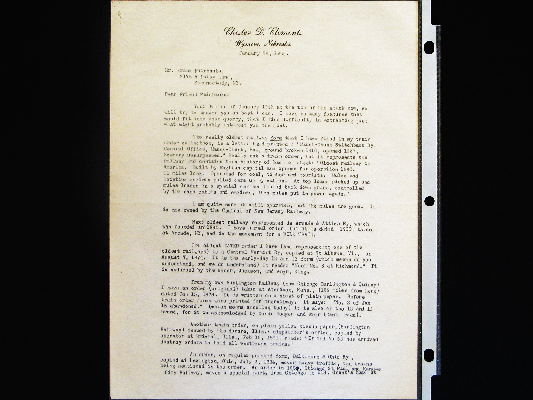
To “Friend Fairbanks” from Chester D. Clements (Wymore, Nebraska; January 28, 1955)
––Apparently FF was requesting a long list of train order forms that this gentleman was selling. Since FF had such a large collection of train orders in the donated materials, maybe this man helped get him started.To Frank from E. L. Thompson, head of the Traffic Department, B&O Railroad Company (Washington D.C.; December 5, 1957)
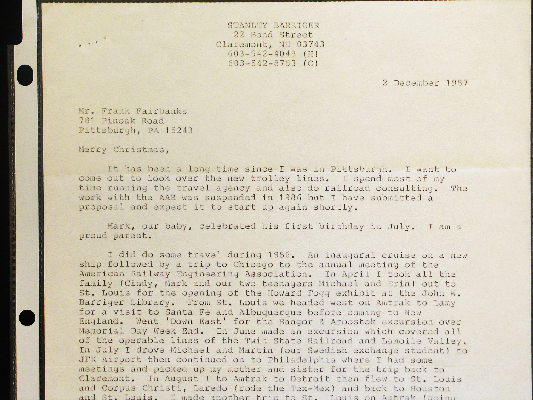
––Discussion of track charts and mileages.To Frank from Stanley Barriger (Claremont, NH; December 2, 1987)
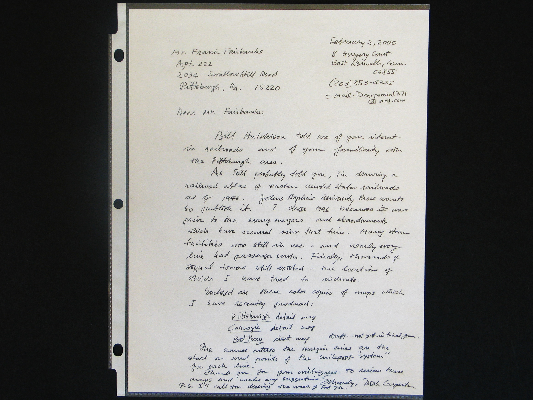
––Personal Christmas letter and an invitation to visit his family in Claremont.To Mr. Fairbanks from R. C. Carpenter (East Norwalk, Conn; February 2, 2000)
––Two different letters asking for Frank’s help in the map making of a railroad atlas of eastern United States railroads of 1946. It seems they were working together on this.
The Frank B. Fairbanks Rail Transportation Archive is open by appointment on Mondays, from 10:00 a.m. to 5:00 p.m. Use of the archive is free to PHLF members (one of the benefits!); non-members are assessed a $10 use fee.
The Archive is located on the fourth floor of The Landmarks Building at Station Square, in the offices of the Pittsburgh History & Landmarks Foundation.
To schedule an appointment, email the Librarian James Halttunen: James@phlf.org
-
-
Fairbanks Feature: A New Train of Thought – Two Important Donated Railroad Atlases Ready for Patron Use
James D. Van Trump Library | Frank B. Fairbanks Transportation Archive | Fairbanks Features
Showcasing a variety of materials located in the Frank B. Fairbanks Rail Transportation Archive
No. 3 Presentation
Two Important Donated Railroad Atlases Ready for Patron Use
Grant’s Railroad & Business Atlas, with Index to the U.S. and Canada (1887)
Cram’s Standard American Railway System Atlas
Index to U.S., Canada and Mexico Maps, also of Yellowstone National Park (1901)
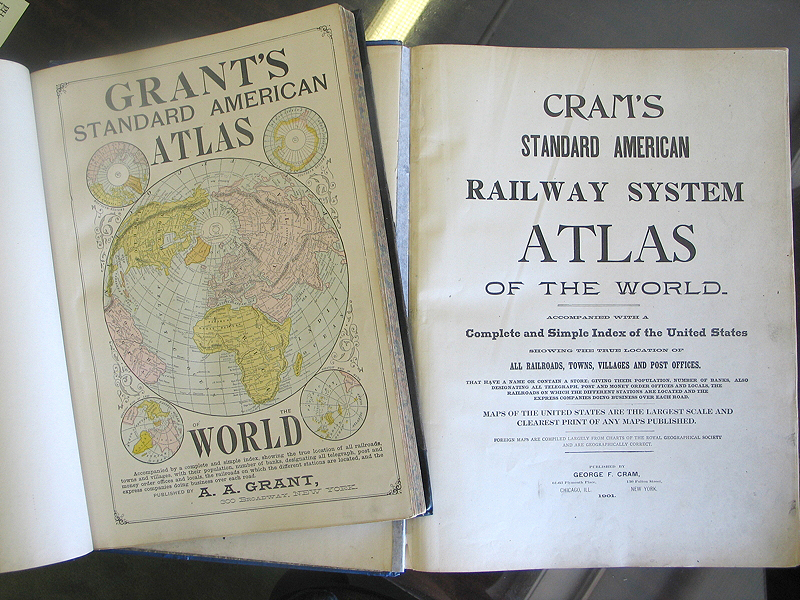
Modern maps and atlases show major automobile highways; atlases of the late 1800s and early 1900s show the highways of those times––railroad lines. Two very special atlases are available for the patron who visits the Fairbanks Archive. Both are in excellent condition. They are able to be opened and laid flat, so that all lines flow smoothly from one page to the next. The books are oversized, approximately 14 x 18 inches, and in full color. The five photos below show the following:
- The title pages of both Railroad Atlases. Reading the information on these pages shows the completeness of these volumes that even include the post offices located in the various cities.
- Page 28 of Grant’s Railroad & Business Atlas, listing the 76 railroads running in Pennsylvania in 1887 and their routes.
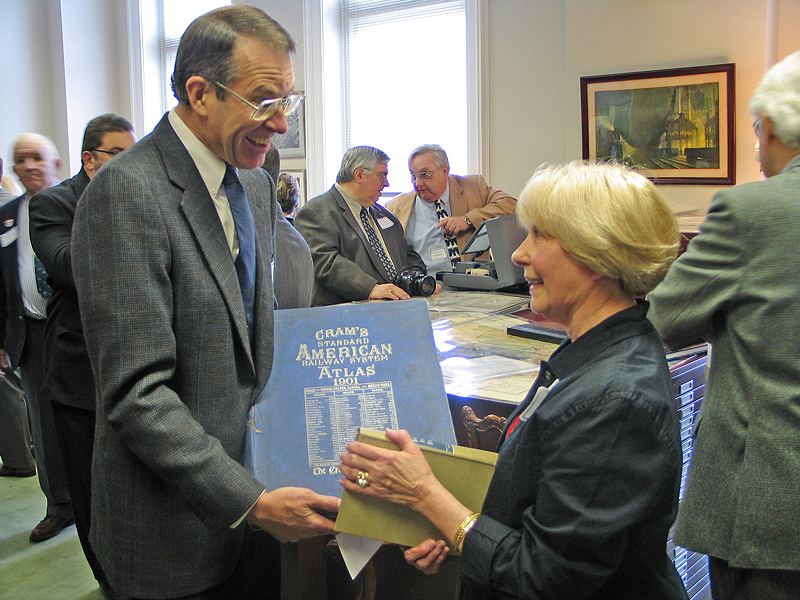
- Judith Esposito holding the Grant’s Railroad & Business Atlas, donated by her to the Archive. This atlas was in Judith’s family for many years and was donated in honor of her father, Lewis H. Anderson (1917-1988), a career railroader.
- PHLF trustee David A. Vater donated Cram’s Standard American Railway System Atlas (1901) on December 22, 2006, on the occasion of the re-dedication and opening of the current Fairbanks Archive in its present location. On page 58-59 of the atlas, 90 different railroads are shown in operation in western Pennsylvania.
- Page 500-501 of Cram’s Standard American Railway System Atlas shows a map of Pittsburgh and Allegheny City. Major streets and the rail lines of 1901 are clearly shown in this map.
The Frank B. Fairbanks Rail Transportation Archive is open by appointment on Wednesdays, from 10:00 a.m. to 5:00 p.m. Use of the archive is free to PHLF members (one of the benefits!); non-members are assessed a $10 use fee.
The Archive is located on the fourth floor of The Landmarks Building at Station Square, in the offices of the Pittsburgh History & Landmarks Foundation.
To schedule an appointment, email James the Librarian James Halttunen: James@phlf.org
-
Fairbanks Feature: A New Train of Thought – The Wayne A. Cole Collection: Ghost Rail series and other volumes
James D. Van Trump Library | Frank B. Fairbanks Transportation Archive | Fairbanks Features
Showcasing a variety of materials located in the Frank B. Fairbanks Rail Transportation Archive
No. 2 Presentation:
The Wayne A. Cole Collection––Ghost Rail series and other volumesWayne A. Cole is a graduate of Geneva College and a retired English teacher from Blackhawk High School. His series of railroad books fills a reference gap that is not addressed in any other publications. He is working on additional books for his Ghost Rails series, which will be added to the Fairbanks Archives as funds permit. We thank Mr. Cole for donating one of the volumes listed here.
Most of the rail lines written in these books are abandoned now, but they were vital to the economy of their area when first built.
- Ghost Rails Volume 1 1850-1980Abandoned Railroads, Their Industries, Last Runs Eastern Ohio and Western Pennsylvania
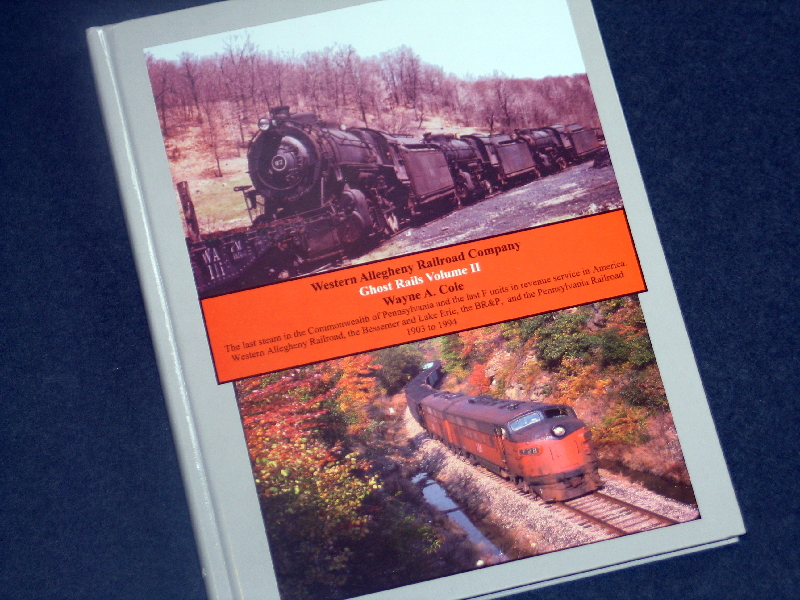
- Ghost Rails Volume II Western Allegheny Railroad CompanyThe last steam in the Commonwealth of Pennsylvania and the last F units in revenue service in America, Western Allegheny Railroad, the Bessemer and Lake Erie, the BR&P, and the Pennsylvania Railroad 1903-1994
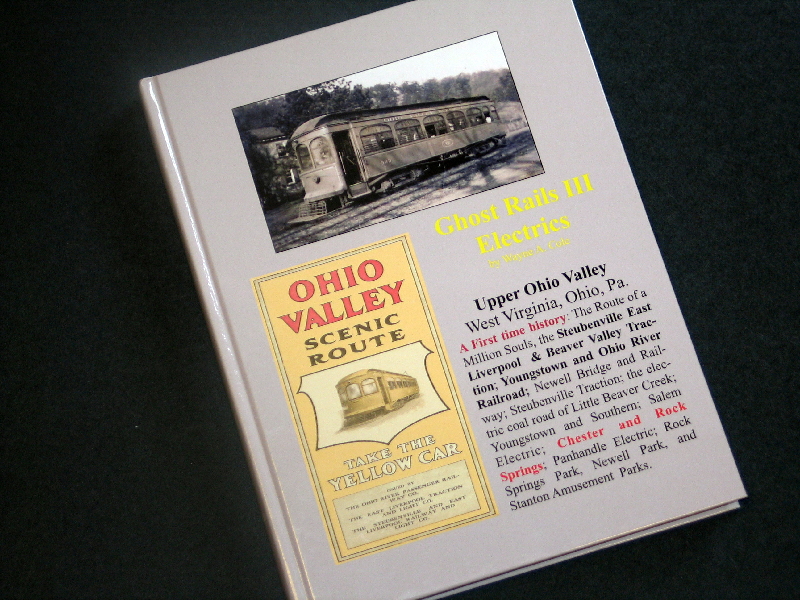
- Ghost Rails III ElectricsUpper Ohio Valley, West Virginia, Ohio, Pa.
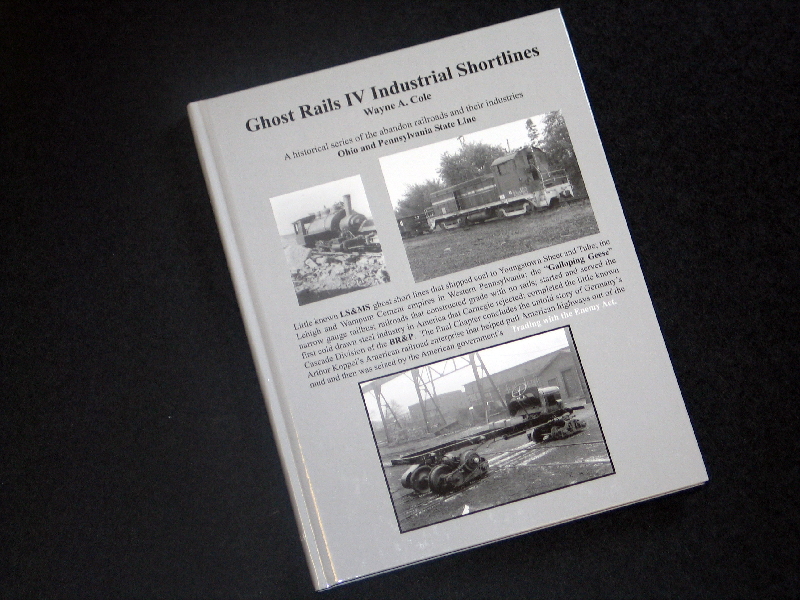
- Ghost Rails IV Industrial ShortlinesA historical series of the abandon railroads and their industries Ohio and Pennsylvania State Line
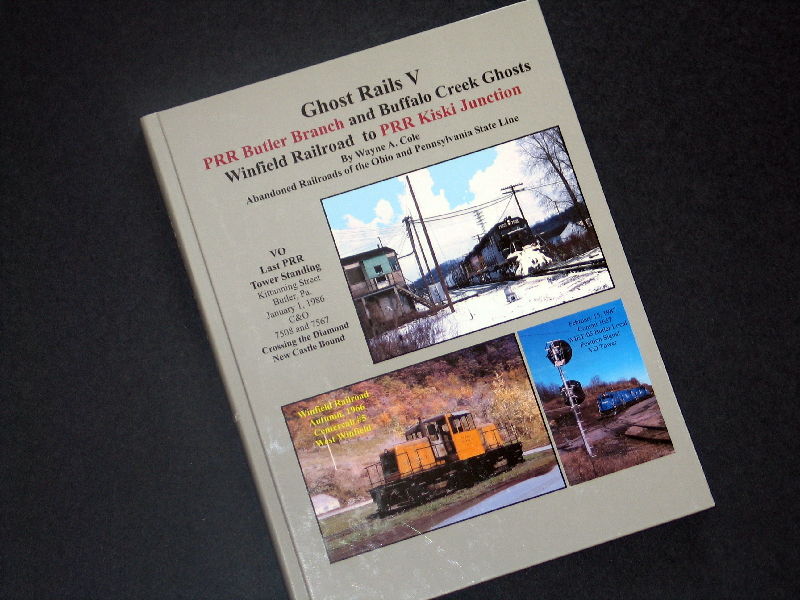
- Ghost Rails V PRR Butler Branch and Buffalo Creek GhostsWinfield Railroad to PRR Kiski Junction
- Ghost Rails VI Harmony RouteThe Pittsburgh Harmony Butler & New Castle Railway
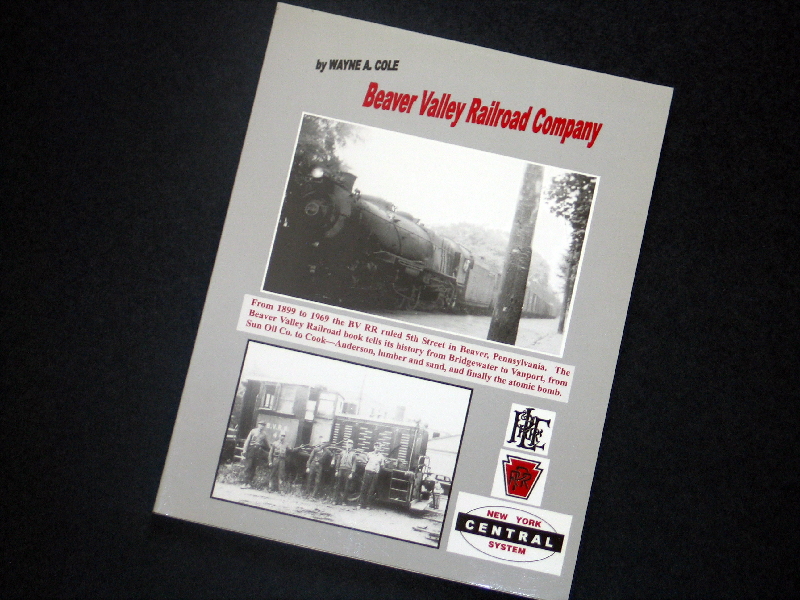
- Beaver Valley Railroad Company The history from Bridgewater to Vanport, from Sun Oil Co. to Cook-Anderson, lumber and sand, and finally the atomic bomb
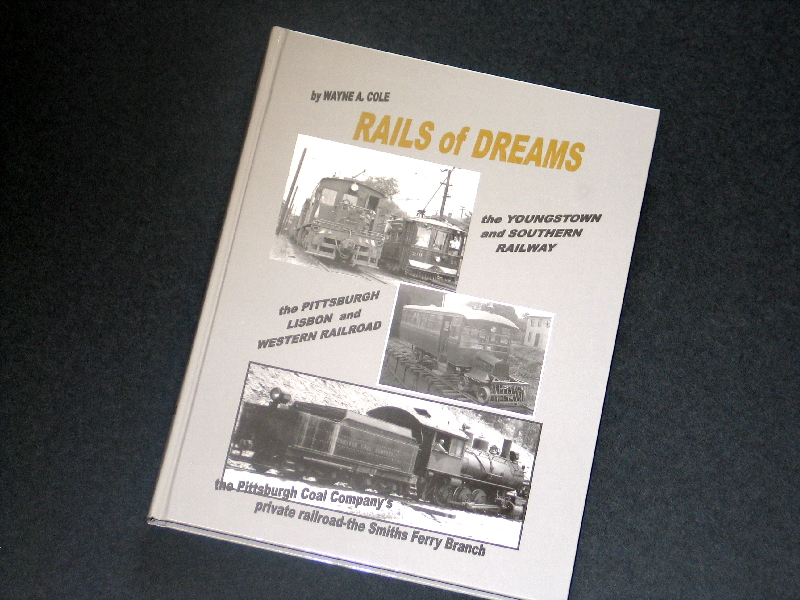
- Rails of DreamsThe Youngstown and Southern Railway; The Pittsburgh Lisbon and Western Railroad; The Pittsburgh Coal Company’s private railroad––the Smiths Ferry Branch
- Where Earth Dissolves Like Snow The Keystone Driller Story
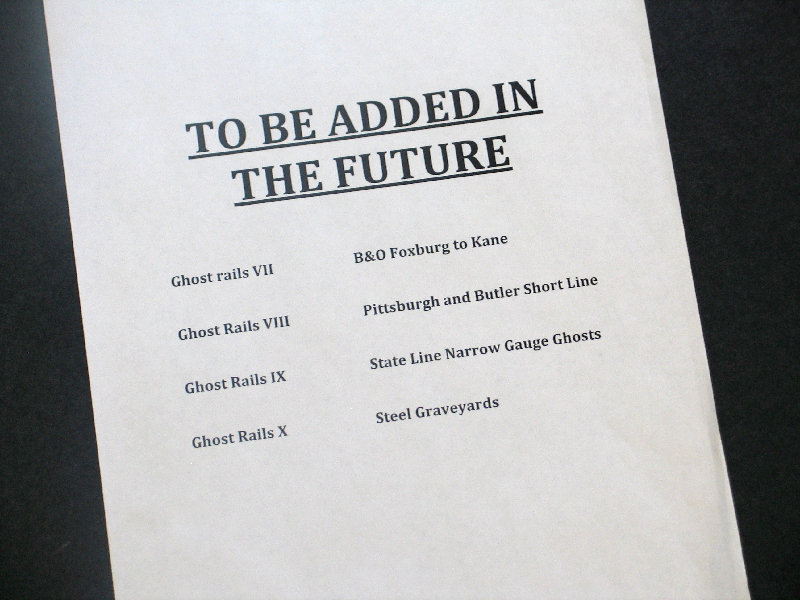
- To be added in the future: Ghost Rails VII through X
The Frank B. Fairbanks Rail Transportation Archive is open by appointment on Mondays, from 10:00 a.m. to 5:00 p.m. Use of the archive is free to PHLF members (one of the benefits!); non-members are assessed a $10 use fee.
The Archive is located on the fourth floor of The Landmarks Building at Station Square, in the offices of the Pittsburgh History & Landmarks Foundation.
To schedule an appointment, email the Librarian James Halttunen: James@phlf.org
-
Fairbanks Feature: A New Train of Thought – The James J. Hill Story, Yesterday and Today
James D. Van Trump Library | Frank B. Fairbanks Transportation Archive | Fairbanks Features
Showcasing a variety of materials located in the Frank B. Fairbanks Rail Transportation ArchiveNo. 1 Presentation:
The James J. Hill Story, Yesterday and Today
This is but a small sampling of the materials available at the Frank B. Fairbanks Rail Transportation Archive on The Great Northern Railroad:
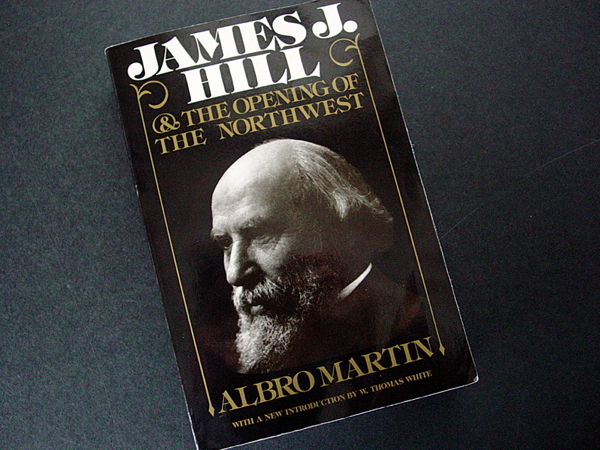
- The definitive biography of James J. Hill (1838-1916), by Albro Martin. Hill blazed the trail west and built the Great Northern rail line.
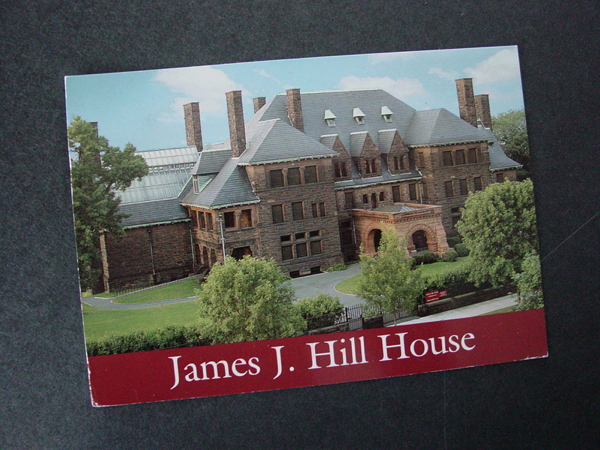
- Post card of the James J. Hill House
- Magazine articles, assorted publications, dates old and recent
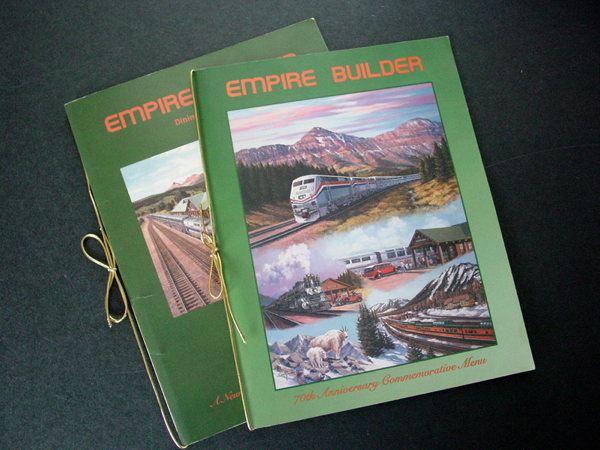
- Menus from the Empire Builder – 1999, 2000
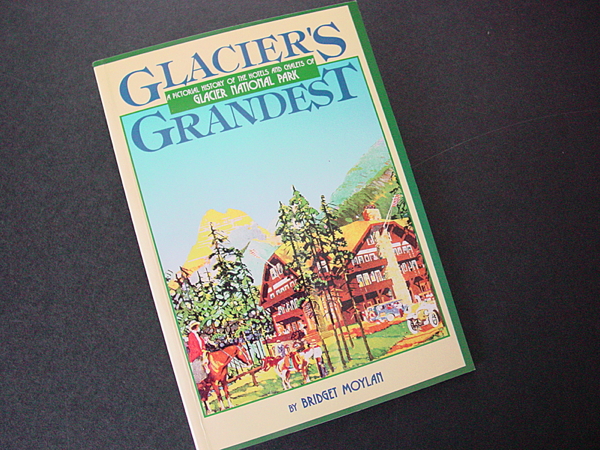
- Glacier’s Grandest, by Bridget Moylan
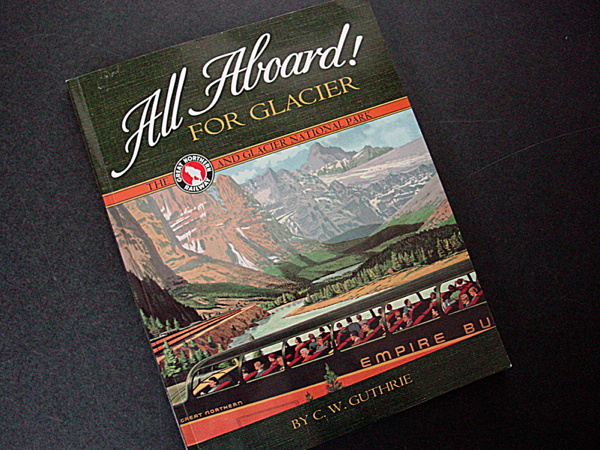
- All Aboard for Glacier, by C . W. Guthrie
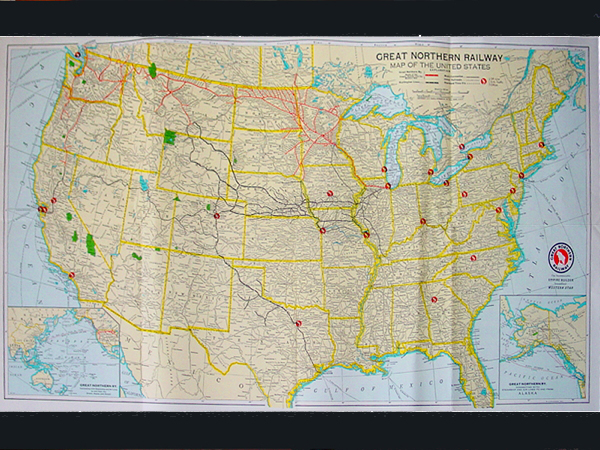
- Many large map selections of the Great Northern Railway and area, such as this one of 1952 and 1957
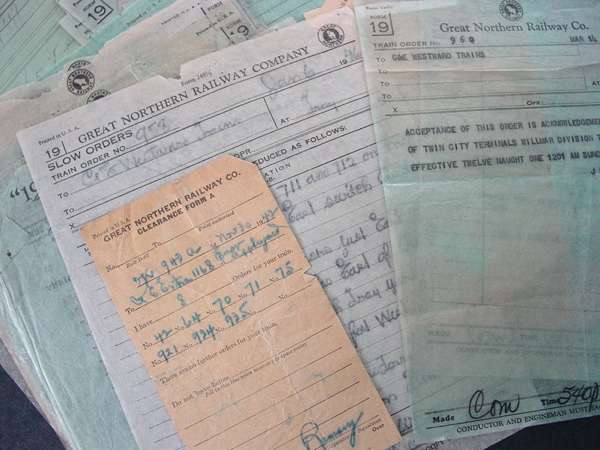
- Train orders from the 1940’s and 1950’s
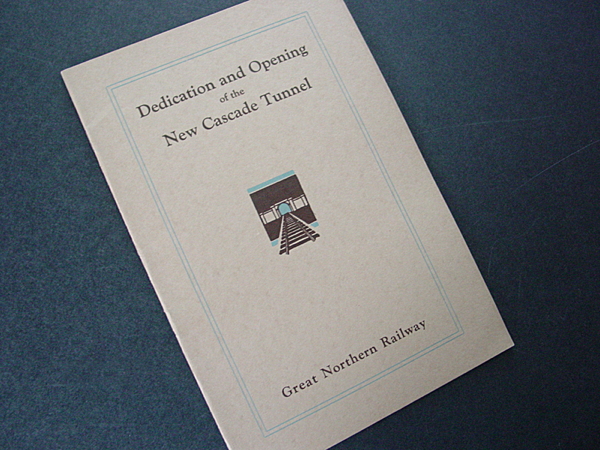
- New Cascade Tunnel opening brochure
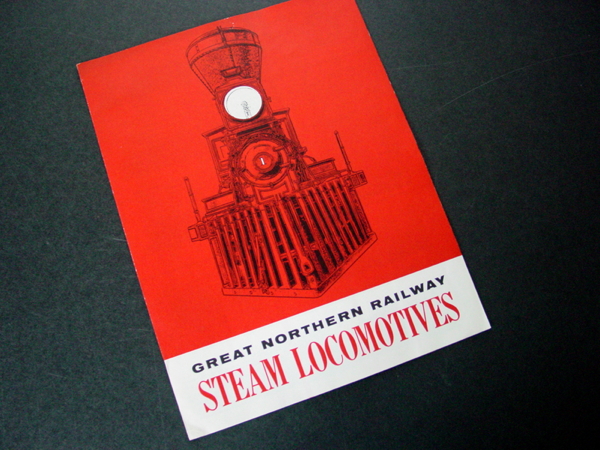
- Great Northern Railway Steam Locomotives
The Frank B. Fairbanks Rail Transportation Archive is open by appointment on Mondays, from 10:00 a.m. to 5:00 p.m. Use of the archive is free to PHLF members (one of the benefits!); non-members are assessed a $10 use fee.
The Archive is located on the fourth floor of The Landmarks Building at Station Square, in the offices of the Pittsburgh History & Landmarks Foundation.
To schedule an appointment, email the Librarian James Halttunen: James@phlf.org
-
Stanwix Street closure hurts, businesses say
By Adam Brandolph
TRIBUNE-REVIEW
Tuesday, February 19, 2008The tunnel-boring machine for the North Shore Connector project is more than 50 feet underground, but businesses on the other side of the river at Stanwix Street are feeling the shock waves.
Some business owners say they have lost customers since July, when the road closed to motorists between Fort Duquesne Boulevard and Penn Avenue, Downtown. The street is open to pedestrians.
Howard Kernats, owner of Hair Fashions by Howard, estimated business is down 60 percent. “It’s been tough,” said Kernats, 66, of Robinson. “Everybody on this block is hurting bad.”
Others aren’t so sure.
Bob Zilch, owner of Metro News newsstand, said foot traffic usually slows down this time of year. He might have lost some business, but construction workers who buy cigarettes, soda and lottery tickets have made up the difference, he said.
Merrill Stabile, president of Alco Parking, said his nearby garage at Sixth Street and Penn Avenue still fills daily. “There might be some inconvenience to customers, and we want to see the congestion cleared up as soon as possible, but it’s not hurting us,” Stabile said.
Stanwix Street is serving as a receiving ground for the boring machine, which is digging a tunnel under the Allegheny River from the North Shore as part of the $435 million project of the Port Authority of Allegheny County’s light-rail system.
The machine is moving about 25 feet a day toward Stanwix, where it will turn around and dig a parallel tunnel.
Port Authority planned to plate over Stanwix and reopen the street in December, but delays with securing retaining walls pushed the opening to April 1, spokesman Dave Whipkey said.
Construction is scheduled to be completed in 2011. About 14,300 daily riders are expected to use the connector, Whipkey said.
Port Authority has posted signs to let people know the stores still are open, he said.
“It’s one of those things,” Whipkey said. “(Construction) could be taking place anywhere else, and another set of shops could be taking a hit. We hate the fact they’re losing business.”
More than 30,000 motorists a day are detoured around the construction, Whipkey said.
Kristen Trohat, general manager of Max & Erma’s restaurant, said the closure hasn’t affected the lunch crowd.
“But it’s hurting us at dinner time and on the weekends,” she said.
To help alleviate a 15 percent to 20 percent loss in business since construction began, Trohat said, the restaurant brought back its happy hour and is working on a marketing campaign with nearby parking garages.
Sol Gross, 86, owner of a mixed commercial and residential building in the heart of the closure, said the construction has hurt his ability to lure renters.
Fifteen percent of his apartments are vacant, the same as before construction began, he said.
When finished, the North Shore Connector will help his sales pitch, giving him “an added amenity” to offer prospective tenants, Gross said.
Adam Brandolph can be reached at abrandolph@tribweb.com or 412-320-7936.
-
Stanwix Street closure hurts, businesses say
By Adam Brandolph
TRIBUNE-REVIEW
Tuesday, February 19, 2008The tunnel-boring machine for the North Shore Connector project is more than 50 feet underground, but businesses on the other side of the river at Stanwix Street are feeling the shock waves.
Some business owners say they have lost customers since July, when the road closed to motorists between Fort Duquesne Boulevard and Penn Avenue, Downtown. The street is open to pedestrians.
Howard Kernats, owner of Hair Fashions by Howard, estimated business is down 60 percent. “It’s been tough,” said Kernats, 66, of Robinson. “Everybody on this block is hurting bad.”
Others aren’t so sure.
Bob Zilch, owner of Metro News newsstand, said foot traffic usually slows down this time of year. He might have lost some business, but construction workers who buy cigarettes, soda and lottery tickets have made up the difference, he said.
Merrill Stabile, president of Alco Parking, said his nearby garage at Sixth Street and Penn Avenue still fills daily. “There might be some inconvenience to customers, and we want to see the congestion cleared up as soon as possible, but it’s not hurting us,” Stabile said.
Stanwix Street is serving as a receiving ground for the boring machine, which is digging a tunnel under the Allegheny River from the North Shore as part of the $435 million project of the Port Authority of Allegheny County’s light-rail system.
The machine is moving about 25 feet a day toward Stanwix, where it will turn around and dig a parallel tunnel.
Port Authority planned to plate over Stanwix and reopen the street in December, but delays with securing retaining walls pushed the opening to April 1, spokesman Dave Whipkey said.
Construction is scheduled to be completed in 2011. About 14,300 daily riders are expected to use the connector, Whipkey said.
Port Authority has posted signs to let people know the stores still are open, he said.
“It’s one of those things,” Whipkey said. “(Construction) could be taking place anywhere else, and another set of shops could be taking a hit. We hate the fact they’re losing business.”
More than 30,000 motorists a day are detoured around the construction, Whipkey said.
Kristen Trohat, general manager of Max & Erma’s restaurant, said the closure hasn’t affected the lunch crowd.
“But it’s hurting us at dinner time and on the weekends,” she said.
To help alleviate a 15 percent to 20 percent loss in business since construction began, Trohat said, the restaurant brought back its happy hour and is working on a marketing campaign with nearby parking garages.
Sol Gross, 86, owner of a mixed commercial and residential building in the heart of the closure, said the construction has hurt his ability to lure renters.
Fifteen percent of his apartments are vacant, the same as before construction began, he said.
When finished, the North Shore Connector will help his sales pitch, giving him “an added amenity” to offer prospective tenants, Gross said.
Adam Brandolph can be reached at abrandolph@tribweb.com or 412-320-7936.
-
Proposal would dust off Wilkinsburg train station
By Sam Spatter
TRIBUNE-REVIEW
Thursday, December 13, 2007There’s a proposal to bring new life to the Wilkinsburg train station, which has been vacant since the 1970s.
The board of the Redevelopment Authority of Allegheny County last month approved a request from the county’s Department of Economic Development to apply for a $15,000 grant from the state Historical & Museum Commission.
“The funds will be used to hire a professional to evaluate what renovations are needed, and their costs, to restore the station,” said Cassandra Collinge, assistant manager of the department’s housing division.
That person also will be asked to do an environmental survey of the property and provide suggestions for re-use of the station, she said.
The station is located at Hay Street and Ross Avenue, on a site behind the CVS Pharmacy on Penn Avenue.
This is not the first attempt to renovate the station.
In 2004, a team of students from Carnegie Mellon University’s H. John Heinz III School of Public Policy and Management received a $10,000 grant from an anonymous contributor to conduct research regarding the station, including obtaining public suggestions for its use.
The students hoped to discover how the station could be used in a way that would benefit the community and boost the economy. Suggestions included a jazz museum, restaurant and cafe.
In 2005, architect Sylvester Damianos asked permission from the Wilkinsburg Municipal Authority/Wilkinsburg Borough Industrial and Commercial Development Authority to purchase the station.
Damianos said he could use the property for his offices, a community gallery and for a woodworking shop in the basement.
“We were definitely interested in doing the project, but found there were too many legal problems, because of a variety of ownerships, and we decided to drop out,” he said.
However, several groups continued to express interest in having the station preserved and reused.
Among them are Pittsburgh History & Landmarks Foundation.
“We have been interested in the station for 30 years, and am happy the county has allocated funds for an architectural/engineering study to determine its current condition and how to stabilize the building,” said Arthur Ziegler, the foundation’s executive director.
“Once that is achieved, perhaps we can market the building.”
The Young Preservationists Association of Pittsburgh has listed the station as an historic site and offered assistance to any developer interested in restoring it.
Sam Spatter can be reached at sspatter@tribweb.com or 412-320-7843.
-
Help Landmarks Obtain Famous Railroad Photograph
 Your Gift Will Be Matched and Help Landmarks Obtain this Famous Railroad Photograph
Recently, Pittsburgh History & Landmarks Foundation learned that The Fairbanks-Horix Foundation will match, dollar-for-dollar, up to $5,000 of every gift we receive toward the purchase of O. Winston Link’s famous photograph: “The Birmingham Special gets the Highball at Rural Retreat” for our Frank B. Fairbanks Rail Transportation Archive. The photo is valued at $10,000 and only gifts received by December 31st will be matched.
To make your tax-deductible gift to help us acquire this one-of-a-kind, Link-signed photograph that was published in Steam Steel & Stars, make your check payable to: PHLF with a notation “Fairbanks Challenge” and return it to: PHLF, 100 West Station Square Drive, Suite 450, Pittsburgh, PA 15219.
Gifts can also be made by credit card on our web site at: https://phlf.org/services/libraryservices/fairbanksarchive.html.
Anyone making a gift of $100 or more by November 30th will also receive a free Landmarks membership.
Questions regarding the collection can be directed to Fairbanks Archive Librarian, Judith Harvey, at fairbanksarchives@phlf.org or 412-471-5808, ext. 515.
Note: Many of the collection’s local train images may be viewed at the Pittsburgh Digital Resource Library at http://images.library.pitt.edu/f/fairbanks/.